Across Nunavut, lakes provide drinking water, support fish and wildlife and become important travel routes when they freeze. They are also closely connected to the land, weather and changing seasons around them. As the climate changes, lakes are changing too.
Aug. 27 is World Lake Day. Created by the United Nations, World Lake Day is an opportunity to recognize the importance of lakes and the pressures they face.
Understanding how Nunavut's lakes are changing means looking at different sources of knowledge and observations. Inuit knowledge comes from generations of living, travelling and harvesting on the land and water. Western science can help examine physical changes taking place in lakes, ponds and other bodies of water.
Together, these different sources of knowledge can help us better understand how climate change is affecting Nunavut's lakes.
What Inuit have observed
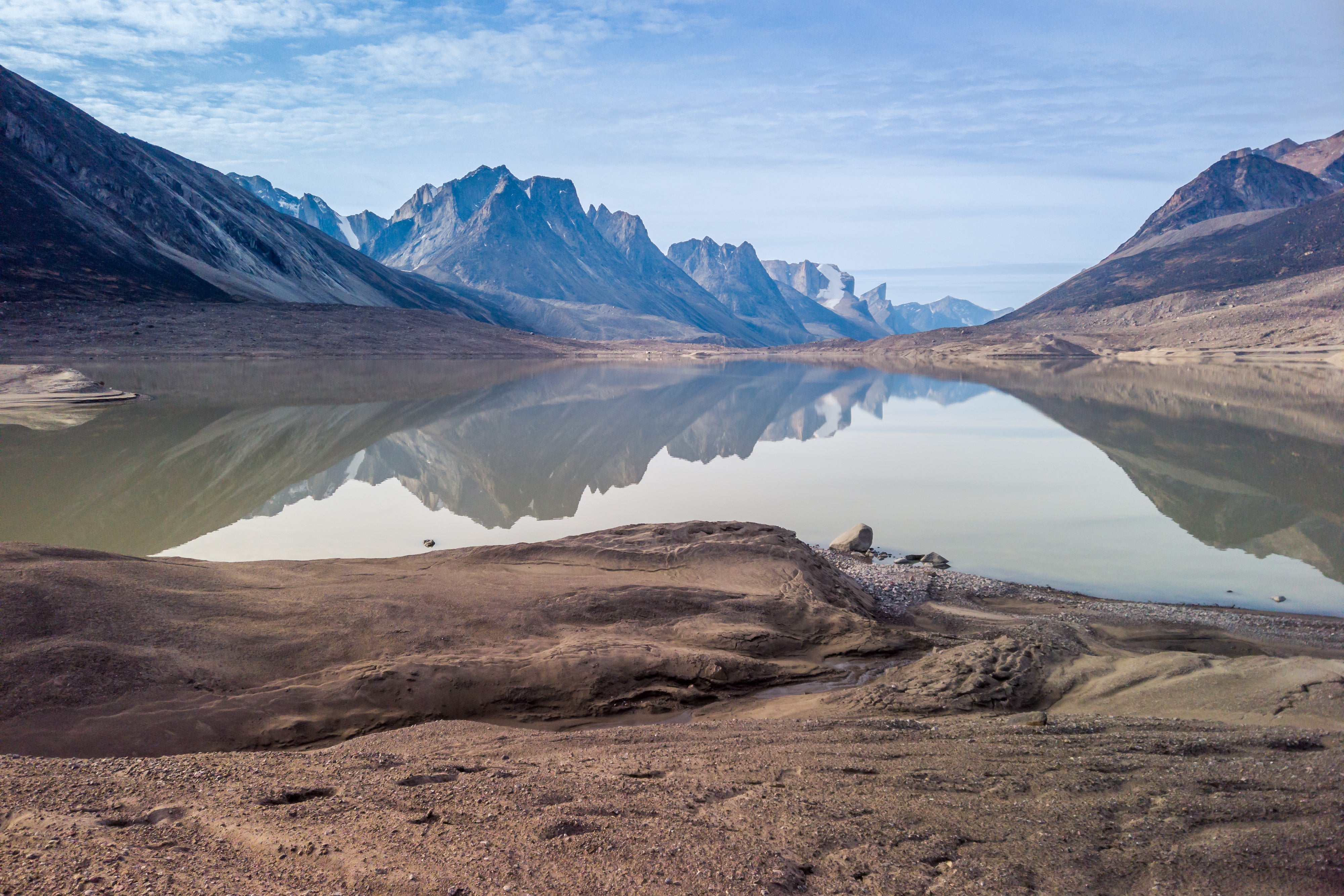
Inuit have observed water and ice conditions for generations. This knowledge has been built through repeated travel, hunting, fishing and living on the land in all seasons. It is shared across generations and includes detailed knowledge of specific places, such as lakes, river crossings and coastal areas.
In recent decades, Inuit observations have described changes across Nunavut's environment. These include lakes freezing up later in the fall, breaking up earlier in the spring and ice that is less predictable in thickness and stability. In some areas, observations have also described changes in snow cover on lakes and in the level and quality of water in lakes and rivers.
These changes can directly affect daily life. Thinner or less predictable ice may mean using different routes or taking greater care when travelling through places that were previously considered safe. Changes in water levels or quality can affect where Nunavummiut find drinking water while on the land.
Changes to a lake therefore mean more than different water or ice conditions. They can affect when and how people travel, where harvesting takes place and how communities access resources such as drinking water.
How lakes connect to climate
Lakes interact with the air, land and climate around them. They store and release heat, exchange moisture and gases with the atmosphere and take part in the carbon cycle.
Water warms and cools more slowly than the surrounding land. During summer, lakes absorb and store heat from the sun. This can keep areas near a lake cooler. Later in the year, lakes release some of that stored heat as the air and land cool.
Ice and snow also affect how much energy a lake absorbs. Snow-covered ice reflects much of the sunlight that reaches it. Darker open water absorbs more energy. This difference in how surfaces reflect sunlight is called albedo.
When lake ice breaks up earlier or forms later, open water is exposed for longer. This gives the lake more time to absorb energy from the sun and exchange heat, moisture and gases with the atmosphere.
Lakes also play a role in the carbon cycle, which is the movement of carbon between the land, water and atmosphere.
Rain, melting snow, streams and erosion can carry plants, animal waste and other organic material from the surrounding land into a lake. Some of this material settles to the bottom and becomes buried in sediment, storing carbon. Some is broken down by microbes, which are tiny organisms. During this process, carbon can return to the atmosphere as carbon dioxide or methane. Both are greenhouse gases that trap heat in the atmosphere.
This means lakes can both store and release carbon. How much they store or release depends on conditions such as water temperature, oxygen, ice cover, depth and the amount of organic material entering the lake.
How climate change affects lakes
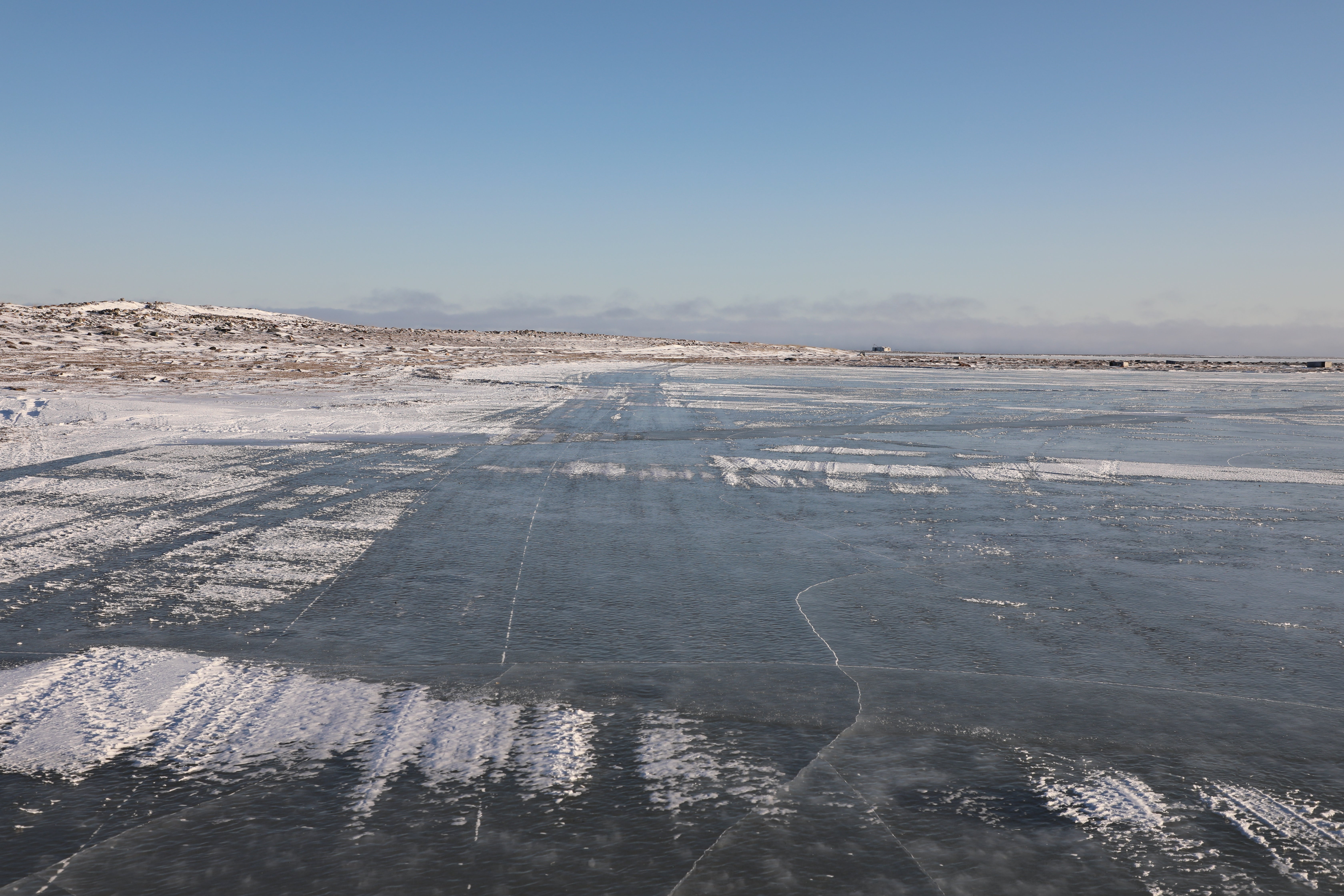
Climate change is affecting lakes across the Arctic. Warmer temperatures are contributing to shorter ice seasons, with ice forming later in the fall and breaking up earlier in the spring. Inuit observations have also described ice that is thinner and less predictable in some areas. These changes can affect how lakes warm, mix and support life throughout the year. They can also affect when and where people can travel safely.
Changes on the surrounding land can also affect lakes. As permafrost thaws, erosion and runoff can carry more soil, nutrients and organic material into the water. Inuit observations of changing water levels, water quality and conditions around lakes can help show how these changes are affecting specific places. In some lakes, these changes can affect water clarity, water quality and the amount of carbon entering the lake.
Together, Inuit knowledge, community observations and scientific monitoring can help build a fuller picture of how lakes are changing. Climate change can alter conditions within a lake, while those changes can affect how the lake stores and releases heat and carbon. Observations from people who travel, harvest and spend time on the land can help identify changes that may not be captured by scientific monitoring alone.
Not every lake will respond in the same way. What happens depends on factors such as the lake's size and depth, the surrounding landscape, permafrost conditions, ice cover and the amount of water and organic material flowing into it. Local observations can help describe how these factors are affecting individual lakes and the people who rely on them.
Looking ahead
Nunavut's lakes are connected to much more than climate. They provide drinking water, support fish and wildlife and play an important role in harvesting, travel and community life. Changes to lake ice, water and the surrounding land can therefore affect people well beyond the shoreline.
Continuing to observe these changes can help build a clearer picture of what is happening across Nunavut. Inuit knowledge, community observations and scientific monitoring can each provide information about how individual lakes are changing over time.
On World Lake Day, think about the lakes around your community. How do you use them? What changes have you noticed? Why do these places matter to you?
*All languages will be added as they become available